Hair Spa Benefits: Why You Should Get a Hair Spa Regularly
Run your fingers through your hair after a week of blow-drying, styling, and stepping in and out of Agra's dust and heat, and it probably doesn't feel the way it did a month ago. The comb starts snagging at the ends. A hair tie leaves the length looking rough instead of smooth. Colour-treated strands turn brittle faster than expected, and even hair that's never been chemically treated goes dull after enough sun, pollution, and hard water.
So does a hair spa actually help, or is it just a relaxing add-on? The honest answer is more nuanced than a simple yes. Here's what a hair spa does, the benefits it offers, the types available, and how to choose the right one, so you can decide whether it's worth adding to your routine.
What Is a Hair Spa?
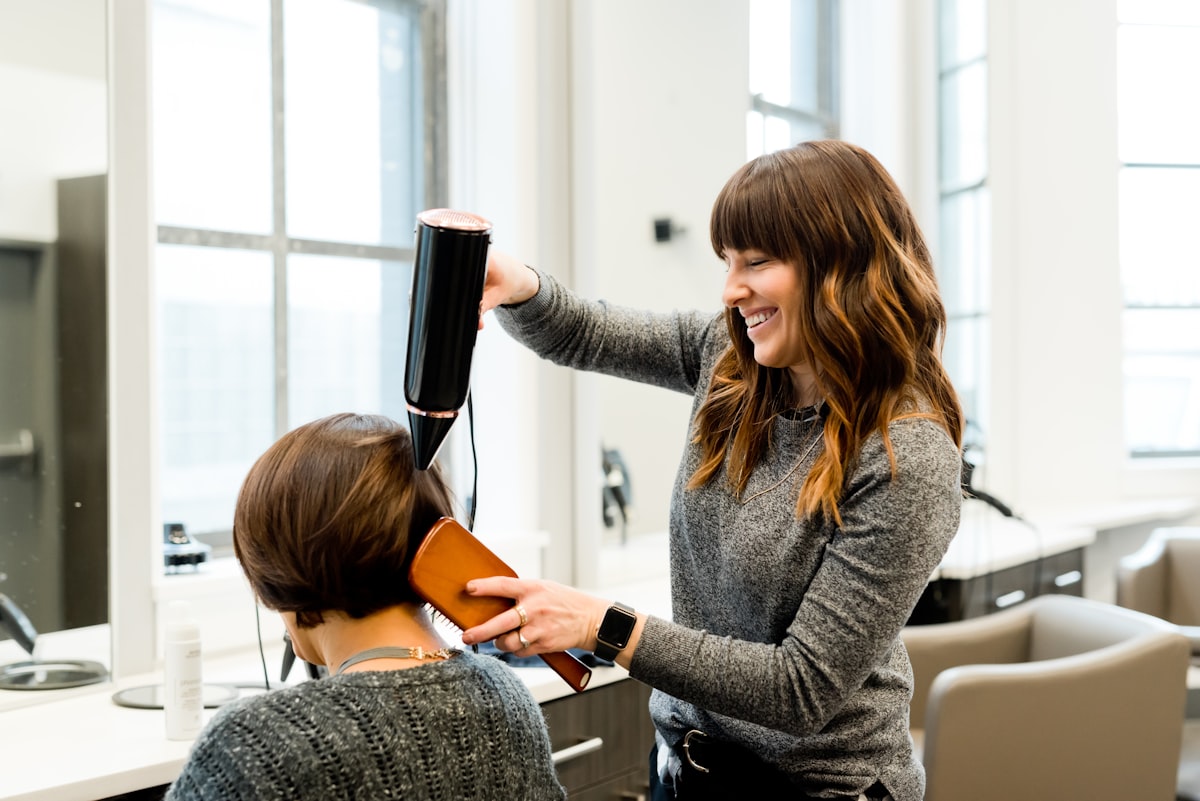
A hair spa is a professional hair-care treatment that goes beyond a regular wash-and-condition. It combines a nourishing mask or cream, a scalp massage, and usually some form of heat or steam to help everything sink in properly.
Your everyday shampoo and conditioner sit mostly on the surface of the hair and work fast. A hair spa spends longer on the hair and scalp, using ingredients meant to condition more thoroughly, plus a massage that adds a scalp-care element regular washing doesn't. Most people book one every few weeks rather than daily — it's a periodic reset, not a replacement for regular hair care at home.
Hair Spa Benefits: 8 Key Reasons to Consider It
A hair spa isn't a miracle fix, but it offers a handful of genuinely useful benefits as part of a consistent routine. Here are eight worth understanding.
- ✦Helps improve moisture and softness — Hair spa creams and masks are formulated to add moisture back into hair that's lost it to heat styling, sun exposure, or hard water. Hair often feels noticeably softer right after a session, particularly when the treatment suits its condition. This matters most for naturally dry or heavily styled hair.
- ✦Helps improve the appearance of dry, dull hair — Dehydrated hair looks flatter and less reflective. The added moisture and conditioning from a hair spa can restore some visual shine and life to hair that's been looking tired.
- ✦Can make hair easier to manage — Rough, tangled hair is harder to style and detangle. The conditioning step smooths the outer hair cuticle temporarily, which usually makes hair easier to comb through and style afterward. The difference tends to show up at the comb before it shows up in the mirror.
- ✦Helps reduce the appearance of frizz — Frizz comes from several things at once: dryness, humidity, damage, and the condition of the cuticle. Replenishing moisture and smoothing that cuticle reduces how frizzy hair looks and feels, at least until the next wash.
- ✦Adds a dedicated scalp-care step to your routine — The scalp massage is often the most noticeable part of the experience — relaxing, and a rare moment where the scalp gets deliberate, hands-on attention rather than a quick rinse. Combined with the cleansing step built into the treatment, it gives the scalp more dedicated care than a typical wash allows for.
- ✦Can improve the feel of hair affected by styling — Frequent blow-drying, straightening, or curling puts real stress on hair. A hair spa can't undo structural heat damage, but it noticeably improves how styled hair feels — softer and less straw-like — between salon visits.
- ✦Can complement care for coloured or chemically treated hair — Colouring and chemical treatments like keratin or smoothening can leave hair more porous and prone to dryness. A hair spa formulated for treated hair helps maintain moisture and manageability between those bigger treatments, though it's a complementary step rather than a substitute for colour-safe products at home.
- ✦Provides a relaxing salon-care experience — Easy to overlook, but the scalp massage and the slow pace of a session genuinely help people unwind. For plenty of regular clients, that's as much a reason to book one as the hair benefits.
These are cosmetic and comfort benefits. They improve how hair looks, feels, and is managed. A hair spa is not a medical treatment and isn't designed to solve underlying scalp or hair-growth conditions.
How Does a Hair Spa Treatment Work?
Exact steps vary by salon, hair type, and product line, but most professional hair spa treatments follow a similar sequence:
- ✦Hair and scalp assessment – A stylist checks your hair's texture, dryness level, and scalp condition to pick a suitable product.
- ✦Cleansing – Hair is washed to remove dirt, oil, and product buildup before treatment.
- ✦Application of the treatment product – A hair spa cream or mask goes through the lengths and, depending on the formula, the scalp.
- ✦Scalp massage – The product is massaged in, adding a relaxing scalp-care component to the treatment.
- ✦Heat or steam therapy – Some treatments use steam or controlled heat as part of the conditioning process. The method and duration vary depending on the treatment and product used.
- ✦Rinsing – The treatment is rinsed out, usually with lukewarm water.
- ✦Conditioning or finishing – A final conditioning step and a blow-dry or styling finish is often included.
That's a general outline — the specific products, timing, and steps depend on your hair's condition and the treatment you choose, so talk through your hair's needs with your stylist beforehand.
A few practical things worth doing before you sit down. Come in with your hair in its normal state rather than freshly washed and styled, since a stylist can read dryness and scalp condition more accurately that way. Mention how often you actually wash, not how often you think you should. And if it's your first hair spa, say so upfront so they can adjust the formula and steam time rather than defaulting to the most intensive option available.
Types of Hair Spa Treatments
Hair spa isn't a single fixed formula. Salons offer a few different categories, each built around a different concern:
- ✦Moisturising hair spa – focused on hydration, generally suited to dry or dehydrated hair
- ✦Repair or strengthening hair spa – formulated with ingredients aimed at conditioning hair that feels weak or damaged from styling
- ✦Anti-frizz hair spa – aimed at smoothing the cuticle to reduce frizz and flyaways
- ✦Scalp-focused hair spa – places more emphasis on cleansing and massaging the scalp itself
- ✦Hair spa for coloured or chemically treated hair – uses formulas designed to be gentler on treated hair and help maintain colour or texture results
These categories describe what's generally available across the industry. Exact treatment names and formulas differ from salon to salon, so ask your stylist which type suits your hair condition rather than assuming one category covers every concern.
One thing worth paying attention to afterward: how your hair behaves a day or two later, not just walking out of the salon. If the roots feel flat or greasy sooner than usual, the formula was probably richer than your scalp needs, and a lighter option is the fix next time. Mention it at your next appointment instead of writing off hair spa altogether.
Quick Guide: Which Hair Spa Suits Your Concern?
Not sure where to start? This table gives a rough sense of direction — treat it as a starting point for the conversation with your stylist, not a replacement for an in-person assessment.
| If your main concern is… | Consider a… | Why |
|---|---|---|
| Dryness, rough texture | Moisturising hair spa | Focuses on replenishing lost moisture |
| Frizz and flyaways | Anti-frizz / smoothing hair spa | Aims to smooth the hair cuticle |
| Hair that feels weak from styling | Repair or strengthening hair spa | Conditioning aimed at heat-stressed hair |
| Coloured hair | Colour-safe / treated-hair formula | Adds moisture without stripping colour |
| Chemically treated hair (keratin, smoothening) | Gentler treated-hair formula, correctly timed | Avoids interfering with the chemical service |
| Oily scalp, heavy-feeling hair | Lighter, scalp-focused hair spa | Cleanses without weighing hair down |
| No specific issue, general upkeep | Standard moisturising hair spa | A reasonable default starting point |
How to Choose the Right Hair Spa
Beyond matching the formula to your main concern, three things are worth settling before you book:
- ✦Is your hair coloured or chemically treated? If so, look specifically for a hair spa formulated for treated hair, and confirm it's colour-safe. Say when you last had it done, since that changes what's suitable.
- ✦Is this your first time? If you're unsure what your hair needs, a general moisturising hair spa is a reasonable starting point. A stylist can fine-tune future visits based on how your hair responds.
- ✦Do you have any known sensitivities? Mention these beforehand so your stylist can check the product's ingredients. If a product has caused irritation in the past, name it rather than describing it vaguely.
A proper in-person assessment is still the most reliable way to choose. A stylist looking at and feeling your hair and scalp will give you better guidance than a product description ever will.
How Often Should You Get a Hair Spa?
There's no single frequency that fits everyone. It depends on your natural hair texture and how quickly it dries out, whether you colour or chemically treat your hair, how often you reach for heat styling tools, your scalp's condition, how much your hair is exposed to sun, dust and pollution, and your hair-care routine at home.
As a starting point, a hair spa every few weeks works well for most people, especially if their hair is frequently styled or exposed to environmental stress. Naturally low-maintenance hair needs it far less often. Someone who blow-dries a few times a week, colours regularly, and commutes daily through dust will land at the shorter end of that range. Someone who washes twice a week, air-dries, and doesn't colour will stretch it out considerably.
Rather than following a fixed rule, have a stylist look at your hair and scalp and suggest a schedule based on its current condition — that assessment is standard at the start of most professional treatments anyway.
Who Can Benefit From a Hair Spa?
A hair spa is most useful for people who recognise one or more of these situations:
- ✦Hair that feels dry or rough to the touch
- ✦Hair that looks dull or lacks shine
- ✦Frizzy or hard-to-manage hair
- ✦Hair that's frequently blow-dried, straightened, or curled
- ✦Coloured hair that needs extra moisture between salon colour sessions
- ✦Chemically treated hair (such as after keratin or smoothening)
- ✦Hair regularly exposed to sun, dust, or pollution
- ✦Hair that generally feels difficult to style or detangle
Suitability does vary from person to person, though. Someone with naturally oily, low-porosity hair needs a lighter approach than someone with very dry, chemically treated hair, which is why a proper assessment matters before choosing a treatment.
Hair Spa for Different Hair Types
Dry Hair
Dry or dehydrated hair tends to benefit most from moisture-focused hair spa formulas, depending on your hair and scalp condition. Look for treatments designed to nourish and hydrate rather than lightweight, oil-control formulas.
Oily Scalp
An oily scalp doesn't mean you should skip a hair spa. A lighter formula and a focus on gentle scalp cleansing suits an oily scalp better than a rich, deeply moisturising cream meant for dry hair. Worth flagging to your stylist so they can pick accordingly, especially if past treatments have left your roots feeling weighed down.
Curly or Wavy Hair
Curly and wavy hair is often naturally drier because of its structure, so the added moisture can help support definition and reduce frizz. Avoid over-brushing curly hair after the treatment, since that disrupts the curl pattern. If you normally detangle with your fingers or a wide-tooth comb, keep doing that afterward too.
Coloured Hair
Coloured hair is more porous and prone to dryness. A hair spa formulated for coloured or treated hair helps maintain moisture without stripping colour, but confirm the product used is colour-safe. If you get your colour done professionally, ask your stylist how a hair spa should be timed alongside your hair colour and highlights schedule.
Chemically Treated Hair
Hair that's been through keratin, smoothening, or similar chemical treatments needs gentler handling. A hair spa helps maintain softness between treatments, but timing matters — treatments done too soon after a chemical service can interfere with results, so check with your stylist on spacing before you book rather than after.
Normal Hair
Even hair without dryness or damage concerns benefits from periodic sessions as general maintenance against everyday environmental exposure.
Hair Spa Ingredients: What's Usually Used?
Hair spa formulas differ by brand and salon, but the ingredients are chosen to support a few key functions:
- ✦Moisture and hydration – ingredients meant to replenish water content in dry strands
- ✦Conditioning – ingredients that help soften hair texture and improve feel
- ✦Smoothing – ingredients aimed at reducing frizz and calming the hair cuticle
- ✦Scalp care – ingredients intended to soothe or balance the scalp
- ✦Strengthening – ingredients associated with reinforcing hair that feels weak from styling or chemical processing
Depending on the product line, formulas may include argan oil, coconut-derived conditioning agents, shea butter, aloe vera, glycerin, or protein and keratin-based agents. Those are common examples across the category rather than a fixed list. Exact ingredients and concentrations vary considerably between product lines, so ask your stylist what a specific formula contains and what it's designed to do before choosing one, particularly if you have known sensitivities.
Hair Spa vs Regular Conditioning
| Factor | Regular Conditioning | Hair Spa |
|---|---|---|
| Main purpose | Quick, everyday detangling and light moisture | Deeper conditioning, scalp care, and overall hair-care reset |
| Treatment depth | Surface-level, rinsed out in minutes | More intensive, often assisted by heat or steam |
| Typical process | Applied and rinsed during a regular wash | Multi-step: assessment, application, massage, heat/steam, rinse, finish |
| Professional involvement | Usually done at home | Usually performed by a trained stylist at a salon |
| Frequency | Every wash | Periodic — every few weeks, depending on hair condition |
| Best suited for | General day-to-day maintenance | Dry, dull, frizzy, styled, or treated hair needing extra care |
Neither replaces the other. They work best together, with regular conditioning as part of your everyday routine and a professional hair spa treatment as a periodic deeper reset.
Hair Spa at Home vs Professional Hair Spa
Plenty of people try a version of hair spa at home with store-bought masks or oils, and it's a reasonable option for basic maintenance. There are real differences worth knowing:
| Factor | At Home | Professional Salon |
|---|---|---|
| Convenience | High — do it on your own schedule | Requires booking an appointment |
| Hair assessment | Limited — based on your own judgement | A stylist can assess texture, damage, and scalp condition |
| Product selection | Self-selected, often generic | Chosen based on your specific hair's needs |
| Treatment process | Usually simpler, fewer steps | More structured, multi-step process |
| Massage/steam | Depends on what you're able to set up at home | Professional equipment and technique |
| Personalisation | Limited | Higher, based on assessment |
Neither option is automatically better. An at-home hair spa is a useful, low-cost habit between salon visits, while a professional one offers a proper assessment and a more thorough process for hair that needs targeted care. A mix of both usually works best — professional treatments periodically, lighter at-home care in between.
Is Hair Spa Good for Hair?
A hair spa can help improve how hair looks and feels, particularly when the treatment is matched to the hair's condition. Softer texture, better manageability, reduced frizz, and a more refreshed appearance are all realistic outcomes as part of a consistent routine.
It's worth understanding what a hair spa doesn't do, too. It's a cosmetic hair-care treatment, not a medical one, and it shouldn't be treated as a solution for hair loss, alopecia, severe dandruff, scalp infections, or other underlying scalp conditions. If you're dealing with persistent hair loss, scalp irritation, or any ongoing symptoms, see a qualified dermatologist or healthcare professional rather than relying on a cosmetic treatment alone.
When Is the Best Time to Get a Hair Spa?
No strict rule here, but a few situations are natural prompts to book one:
- ✦Your hair has been through a stretch of frequent heat styling or sun exposure and feels drier than usual
- ✦You have an event coming up and want hair that's easier to style and looks a little more refreshed
- ✦You've noticed increasing frizz or dullness in your everyday routine
- ✦You want a periodic reset between bigger chemical treatments like colouring, keratin, or smoothening
Planning a hair spa before an important event? Schedule it a few days ahead rather than the same day. That leaves room to see how your hair responds and style it accordingly, which matters more than people expect for a wedding or shoot where the hair is going up. If you're timing one around a colour or chemical treatment, spacing matters more than any general best time, so check with your stylist on sequencing so one treatment doesn't interfere with the other.
Are There Any Downsides or Limitations?
For many people, hair spa is a well-tolerated cosmetic treatment, but suitability varies depending on hair condition, scalp sensitivity, and the products used. Go in with realistic expectations and a few precautions in mind:
- ✦Results are temporary. The softness and shine you notice after a session fade as your hair is washed and exposed to daily conditions again. It's a periodic treatment, not a one-time fix.
- ✦Heavy formulas may not suit every hair or scalp type. A rich, deeply moisturising cream meant for dry hair can feel too heavy on an oily scalp, which is why the type of hair spa matters as much as the fact of getting one.
- ✦Ingredient sensitivity is possible. As with any hair or skin product, some people react to specific ingredients in a formula. If you have known sensitivities or allergies, mention this to your stylist beforehand.
- ✦It isn't necessary for every wash cycle. More frequent isn't automatically better. Going too often without your hair actually needing it adds no extra benefit and simply adds cost.
- ✦It's not a treatment for medical scalp conditions. Hair spa is cosmetic and shouldn't substitute for medical advice if you have persistent hair loss, scalp infections, severe dandruff, or similar concerns.
- ✦Timing matters for chemically treated hair. A hair spa too soon before or after a chemical treatment like keratin or colouring can interfere with results, so check the right spacing with your stylist.
None of this makes hair spa a high-risk treatment. It simply means choosing the right type, at a sensible frequency, based on your hair's condition, and flagging any sensitivities to your stylist.
What Results Can You Expect After a Hair Spa?
Right after a session, you may notice:
- ✦Softer-feeling hair
- ✦Easier detangling and improved manageability
- ✦A smoother, glossier appearance
- ✦Less of that dry, straw-like texture
- ✦A noticeable sense of relaxation from the scalp massage
These results are short-term rather than permanent. Hair gradually returns to its previous state as washing and environmental exposure continue, which is why hair spa is repeated periodically rather than treated as a one-time fix. It won't permanently repair damaged hair, stop hair fall, or guarantee growth, and any claim suggesting otherwise is worth treating with caution.
How to Maintain Your Hair After a Hair Spa
A few simple habits help you get more out of each session:
- ✦Use a shampoo and conditioner suited to your specific hair type and condition
- ✦Limit heat styling where possible, or use a heat-protectant product
- ✦Protect hair from prolonged sun and dust exposure when you can, which matters more than usual through an Agra summer
- ✦Avoid overwashing, which strips away the moisture a hair spa just restored
- ✦Choose products formulated for your hair type, colour-safe for coloured hair being the obvious example
- ✦Keep a consistent hair-care routine rather than relying on occasional treatments alone
- ✦Follow any specific aftercare advice your stylist gives for your hair type, including how long to wait before your next wash
When Should You Consider a Professional Hair Spa?
If your hair regularly feels dry, rough, or difficult to manage, or if you colour it frequently, use heat tools often, or notice it reacting to Agra's dust and sun, a professional hair spa may be worth considering over at-home products alone. A trained stylist can assess your hair and scalp condition and recommend a treatment type and schedule suited to what your hair actually needs, rather than guessing.
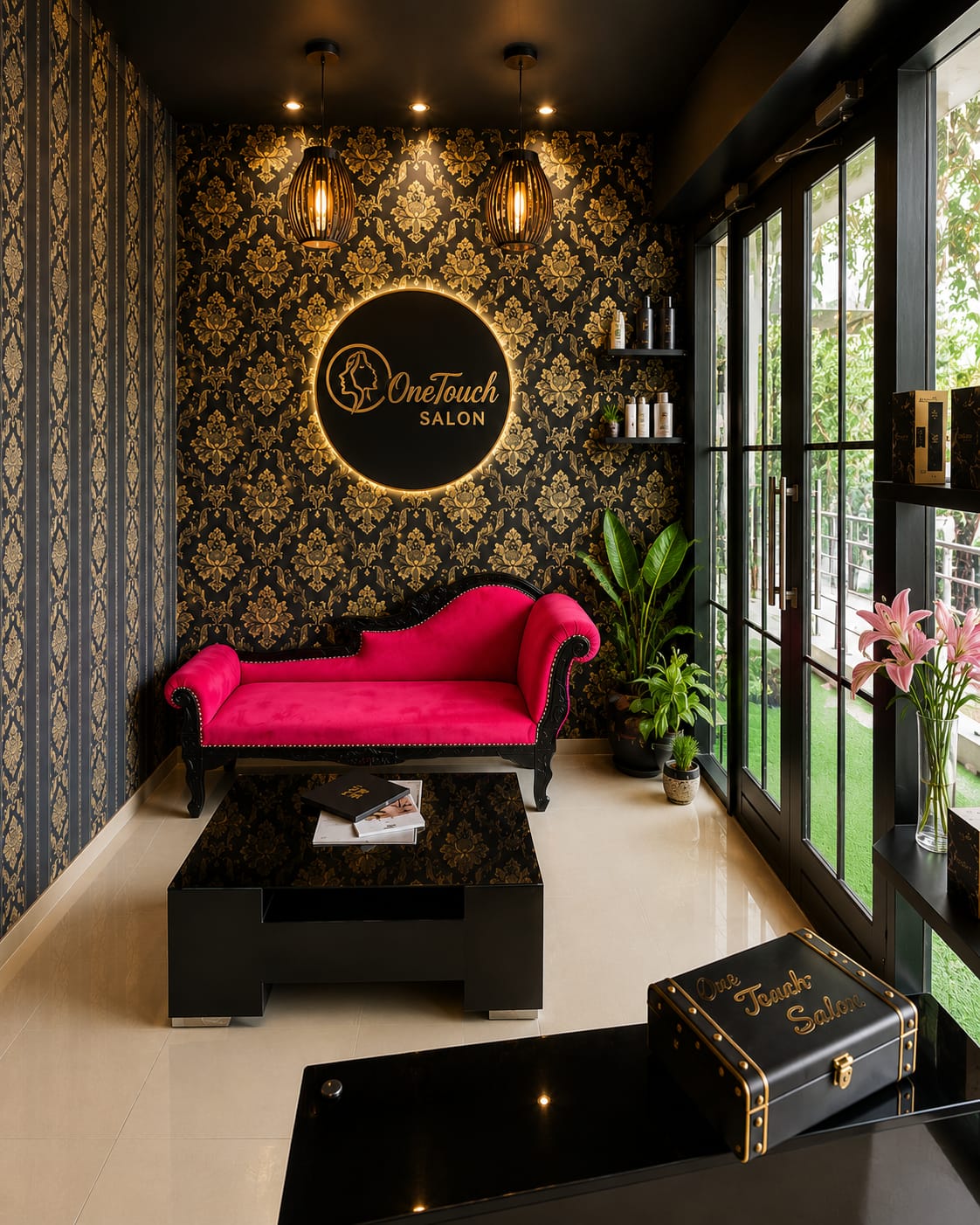
At One Touch Salon, hair spa is part of a broader Hair Treatments & Spa menu that includes options for different hair conditions, alongside services like Hair Cut & Styling and Hair Colour & Highlights for those balancing colour or chemical treatments with regular hair care. Every treatment begins with a hair and scalp assessment, so the approach is based on your hair's actual condition rather than a one-size-fits-all routine.
If you're looking for a professional hair spa in Agra, you can get in touch with One Touch Salon to discuss your hair's needs and book an appointment.
Frequently Asked Questions
Is a hair spa good for dry hair?
Yes — dry hair is one of the cases a hair spa suits best. The moisture-focused creams and masks used are designed to bring back the softness and manageability that dryness takes away.
How often should you get a hair spa?
That depends on your hair type, how often you style or colour it, and your environmental exposure. Every few weeks works for most people, but a stylist can suggest a more accurate schedule after assessing your hair and scalp.
Does hair spa help reduce frizz?
It can. Frizz is influenced by dryness and the condition of the hair cuticle, so the conditioning a hair spa provides usually reduces how frizzy hair looks and feels, at least until your next wash.
Can a hair spa help damaged-looking hair?
It improves how damaged-looking hair feels and appears — softer texture, a smoother look, and easier styling. What it doesn't do is reverse structural damage from heat or chemical processing. Think visible improvement, not permanent repair.
Is a hair spa suitable for coloured hair?
Yes, especially with a formula designed for coloured or treated hair. Confirm with your stylist that the specific product is colour-safe.
How long does a hair spa treatment take?
This varies by salon and by the treatment chosen, since steps like heat or steam therapy and massage duration differ. Your stylist can give you an accurate time estimate for the treatment you select, which is worth asking when you book rather than on the day.
How long do hair spa results last?
Results are generally short-term. Softness and shine fade gradually over the following weeks as hair is washed and exposed to everyday conditions again. That's why hair spa is usually repeated periodically rather than done once.
Can I get a hair spa after hair colouring?
Often yes, and a hair spa helps maintain moisture in newly coloured hair. Timing and product choice matter, though, so check with your stylist on spacing between a colour service and a hair spa, and confirm the formula used is colour-safe.
Can men get a hair spa?
Yes. Hair spa isn't limited by gender. Anyone dealing with dryness, dullness, or styling-related hair stress can benefit from the treatment.
What is the difference between hair spa and conditioning?
Regular conditioning is a quick, everyday step during a wash. A hair spa is a more involved, periodic treatment that typically includes a deeper conditioning mask, scalp massage, and heat or steam therapy, designed as a thorough reset rather than a daily habit.
Written by One Touch Salon Team · One Touch Salon, Fatehabad Road, Agra