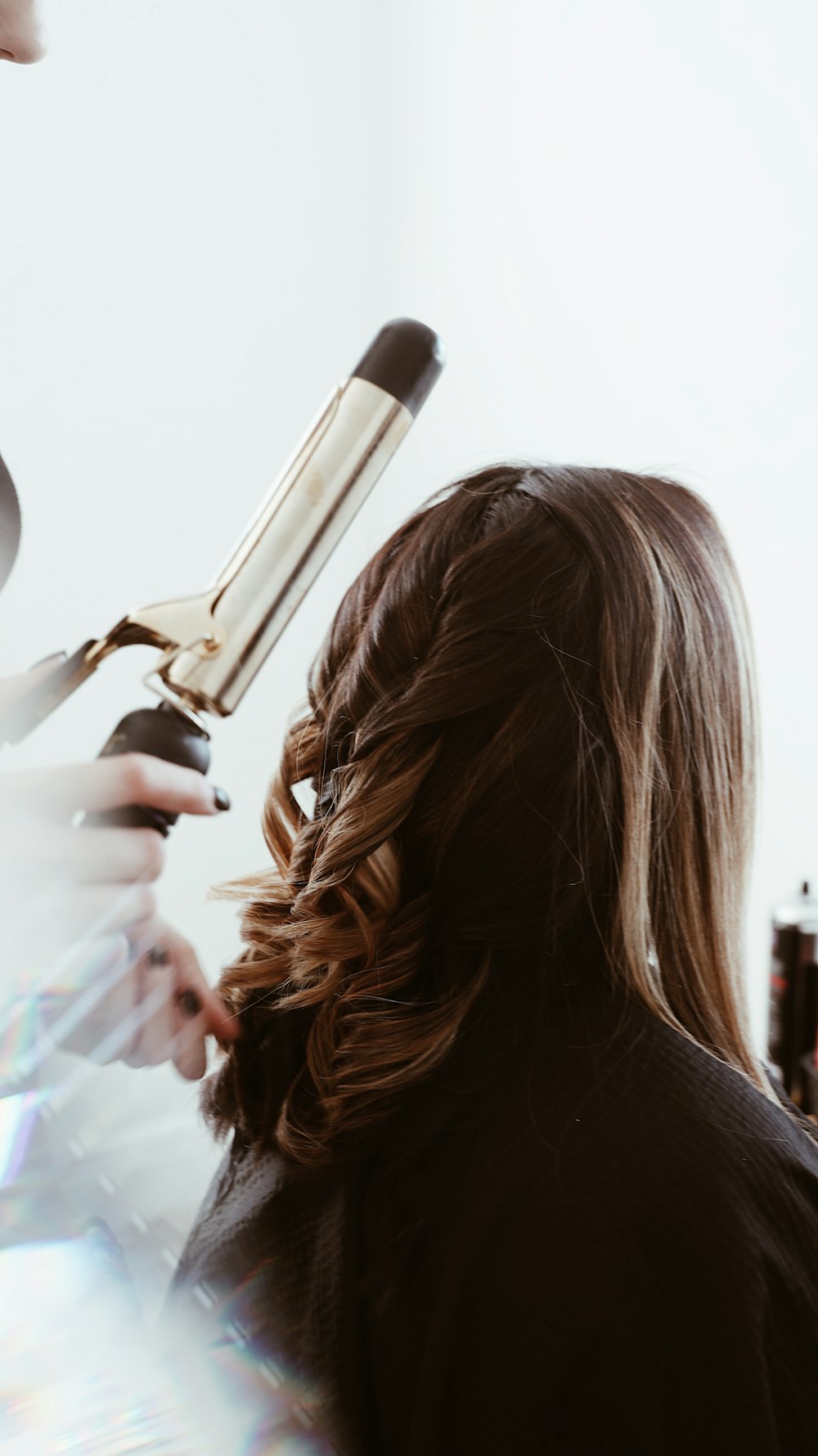
What is a Hair Spa? Complete Guide to Hair Spa Treatment & Benefits
You wash your hair, condition it, dry it, and by the second day it already feels rough at the ends and puffy near the crown. The colour you got two months ago has gone flat. Straightening it every morning helps for a few hours, then the frizz comes back. Somewhere in the middle of all that, a stylist or a friend suggests getting a hair spa. So what exactly is a hair spa, and is it something your hair actually needs?
The term gets used loosely. For some people it means a deep conditioning session at a salon. For others it sounds like a luxury add-on with no real purpose. The truth sits somewhere in between, and understanding it properly makes it much easier to decide whether the treatment is worth your time and money.
This guide explains what the treatment is, how it works, what usually happens during a session, the different types available, how often it makes sense, and where its limits are.
What Is a Hair Spa?
A hair spa is a salon-based deep conditioning treatment for the hair and scalp. It usually combines cleansing, a conditioning cream or hair mask, a scalp massage, and in many cases steam or controlled heat to help the product settle into the hair. The purpose is cosmetic: softer, smoother, more manageable hair rather than a medical or permanent change.
The name is slightly misleading. "Spa" suggests relaxation, and the massage part genuinely is relaxing, but the core of the treatment is conditioning. A treatment cream or mask is applied along the lengths of the hair, left on for a set period, and rinsed out. Steam or gentle warmth is often used as well, on the basis that mild heat may help the product work more effectively through the hair than a two-minute rinse-out conditioner can.
That last point explains the difference from your regular routine. Shampoo cleans. The conditioner smooths the surface for a short while and gets washed off almost immediately. A hair spa keeps a richer product on the hair for longer, adds massage, and often works with heat, which is why the softness after a session feels different from the softness after a normal wash.
Hair spa meaning, in plain terms: an intensive conditioning session done at a salon, aimed at the appearance and feel of your hair.
What Does a Hair Spa Treatment Do?
The treatment works mainly on how your hair looks and behaves day to day.
Dry, rough-feeling hair usually improves in softness because the mask puts moisture and conditioning ingredients back into strands that have lost them through washing, sun exposure, heat styling or colouring. Hair that tangles easily tends to comb through more smoothly afterwards. Frizz often looks calmer because a smoother cuticle reflects light more evenly, which also gives that fresh-from-the-salon shine.
The scalp massage serves two purposes. Practically, it helps distribute product and loosens tension across the scalp. Experientially, most people find it the most enjoyable part of the session, and there is no reason to pretend otherwise.
What the treatment does not do is rebuild damaged hair permanently or change what grows out of your scalp. Split ends stay split. A cosmetic conditioning treatment improves condition and appearance; it does not alter hair structure for good.
How Does a Hair Spa Work?
The process is fairly straightforward, and it is worth being a little cautious about descriptions that make it sound highly technical.
Conditioning products and masks. The main product is a treatment cream or mask, thicker and richer than everyday conditioner. Left on the hair for longer, it coats the strand and deposits conditioning agents, oils and moisture-binding ingredients along the cuticle.
Massage. Working the product in by hand spreads it evenly from root area to ends and makes sure the lengths that need it most are properly covered. Scalp massage also feels good, which matters more than people admit.
Steam or controlled heat. Gentle warmth may help conditioning products work more effectively through the hair, which is why some salons include a short steam step. Not every treatment uses steam, and it is not always suitable, particularly on hair that has just been chemically processed.
Rinsing and finishing. The mask is washed out thoroughly, since leftover product weighs hair down and makes it look greasy. A light conditioner or leave-in serum may follow, then drying or styling.
The combined effect is temporary but noticeable. Hair feels softer, sits better and is easier to manage until repeated washing gradually removes what was deposited.
What Happens During a Hair Spa?
Depending on the salon, the products used and the treatment selected, a session may include the following steps:
- ✦Hair and scalp assessment. The stylist looks at your hair type, texture, condition, oiliness and any colouring or chemical treatment history before choosing a product.
- ✦Cleansing. Hair is shampooed to remove oil, dust and product buildup so the treatment can actually reach the hair.
- ✦Treatment application. A mask or conditioning cream is applied section by section, usually concentrated on the mid-lengths and ends.
- ✦Scalp massage. A few minutes of massage to work the product in and relieve tension.
- ✦Steam or controlled heat. Applied for a short period where the treatment and hair condition allow it.
- ✦Rinsing. The product is rinsed out completely.
- ✦Conditioning and finishing. A finishing conditioner or serum, followed by drying and light styling.
Salons vary. Some skip steam entirely, some add a pre-treatment oil application, some use a two-step system with separate masks for scalp and lengths. If you want to know exactly what a particular session involves, ask before booking.
What Are the Benefits of a Hair Spa?
The main gains are practical rather than transformative:
- ✦Improved moisture in dry or rough-feeling hair
- ✦Softer texture and easier detangling
- ✦Better manageability for everyday styling
- ✦A smoother, shinier appearance
- ✦Reduced appearance of frizz
- ✦Conditioning support for coloured or chemically treated hair
- ✦Relaxation from the scalp massage
For a fuller breakdown of what regular sessions offer and why people keep going back, read our guide to hair spa benefits.
Types of Hair Spa Treatments
Salons group treatments differently and product ranges vary a great deal, so these categories describe purpose rather than a fixed industry standard. Two salons may use the same name for quite different formulas.
Moisturising Hair Spa
Built around hydration. Suited to hair that feels dry, brittle or straw-like, often after sun exposure, hard water or frequent washing.
Repair / Strengthening Hair Spa
Uses protein-based or reinforcing ingredients aimed at hair weakened by heat styling or chemical processing. The word "repair" here means improved condition and resilience, not structural reversal of damage.
Anti-Frizz / Smoothing Hair Spa
Focused on surface smoothness and reducing puffiness in humidity. Popular with people who fight flyaways every morning.
Scalp-Focused Hair Spa
Gives more attention to the scalp itself, with cleansing or soothing products and a longer massage. Chosen by people whose scalp feels tight, oily or congested rather than those whose main issue is dry ends.
Hair Spa for Coloured or Chemically Treated Hair
Uses gentler, colour-safe formulas designed not to strip tone. Useful after colouring, highlights, smoothing or straightening, where the hair needs conditioning without harsh cleansing.
If you are unsure which category fits, describe your concern to the stylist instead of asking for a treatment by name.
Which Hair Spa Is Right for Your Hair?
Use this as a starting point for the conversation at the salon, not as a fixed prescription.
| Hair Concern | Suitable Treatment Type | Main Purpose |
|---|---|---|
| Dryness | Moisturising | Improve softness and conditioning |
| Frizz | Anti-frizz / smoothing | Improve smoothness and manageability |
| Frequent heat styling | Repair / strengthening | Condition hair affected by regular styling |
| Coloured hair | Colour-safe formula | Support moisture and manageability |
| Chemically treated hair | Treated-hair formula | Gentler approach suited to processed hair |
| Oily scalp or fine, limp hair | Lighter treatment | Avoid unnecessary heaviness |
| General maintenance | Hydrating treatment | Routine conditioning |
The right choice usually depends on how your hair behaves right now, not on what worked a year ago.
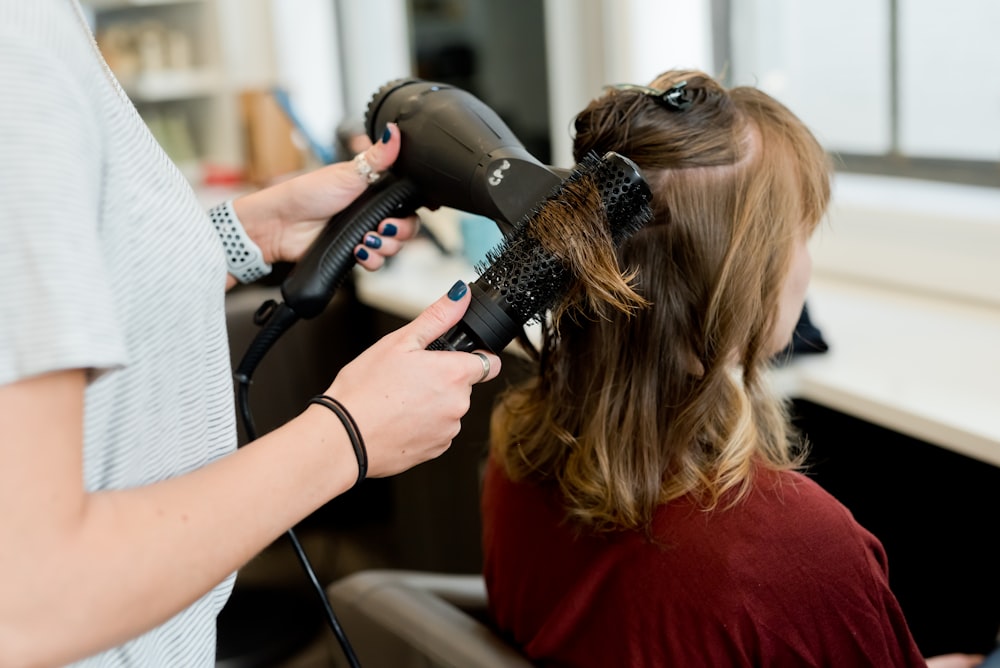
Hair Spa for Different Hair Types
Dry Hair
Responds well to moisturising treatments, especially on the mid-lengths and ends where dryness shows first. Ends often need more product than roots.
Oily Scalp
Needs a lighter approach. Heavy creams applied close to the roots can leave hair flat within a day. Scalp-focused or lightweight formulas make more sense here.
Curly or Wavy Hair
Tends to be drier by nature because natural oils travel down a curved strand slowly. Conditioning treatments usually improve definition and reduce roughness, though heavy products can loosen the curl pattern temporarily.
Coloured Hair
Colour-safe formulas matter. Colour-treated hair is often more porous, so it takes in conditioning ingredients readily but also loses them faster.
Chemically Treated Hair
Smoothed, straightened or permed hair generally needs gentler treatments and careful timing. Ask your stylist how long to wait after a chemical service before booking a spa.
Normal / Healthy Hair
Occasional treatments work as maintenance. There is no need to overdo it if your hair already feels good.
What Ingredients Are Used in a Hair Spa?
Formulas differ by brand and salon, but most treatment products draw from the same broad ingredient categories.
Conditioning agents. Cationic conditioners and similar ingredients that coat the strand, reduce static and make combing easier.
Oils and emollients. Argan, coconut, olive or almond oil and comparable emollients that soften hair and improve slip.
Humectants. Glycerin, panthenol and similar ingredients that attract and hold moisture in the hair.
Smoothing ingredients. Silicones or plant-derived alternatives that flatten the cuticle surface, adding shine and reducing the look of frizz.
Protein and strengthening ingredients. Keratin, wheat or soy proteins and amino acids, used in treatments aimed at making hair feel stronger and less fragile. The effect is temporary and cosmetic. Too much protein on hair that does not need it can leave it feeling stiff, which is why product selection matters.
Scalp-care ingredients. Aloe, tea tree, menthol or mild soothing agents used in scalp-focused treatments.
No single ingredient produces a permanent or medical result. Conditioning ingredients improve how hair looks and feels while they remain on the strand, and they wash out over time.
Hair Spa vs Regular Conditioning
| Factor | Hair Spa | Regular Conditioning |
|---|---|---|
| Purpose | Intensive conditioning for dryness, roughness and frizz | Everyday smoothing and detangling after shampoo |
| Treatment time | Typically 30 minutes to over an hour | Two to five minutes |
| Process | Multi-step, often with assessment and product selection | Single step at home |
| Massage | Included, usually several minutes | Rarely, beyond quick application |
| Steam / heat | Often used, depending on the treatment | Not used |
| Frequency | Occasional, spaced over weeks | Most washes |
| Best for | Hair needing deeper conditioning or a periodic reset | Daily manageability and routine care |
Neither replaces the other. Regular conditioning does the everyday work; a spa is a periodic, more intensive version of the same idea. Skipping your normal conditioner because you booked a spa last week makes little sense.
Hair Spa at Home vs Professional Hair Spa
Home treatments are cheaper and available whenever you have an hour free. A good deep conditioning mask, applied properly and left on for the recommended time, genuinely helps hair that is mildly dry or dull. Wrapping a warm towel around the hair adds gentle heat.
The gaps show up elsewhere. At home you are guessing at product choice, and the wrong pick, especially a heavy or protein-rich mask on hair that does not need it, can leave hair limp or stiff. Applying evenly to the back sections without help is awkward. Rinsing thoroughly is harder than it sounds, and residue is a common reason home treatments disappoint.
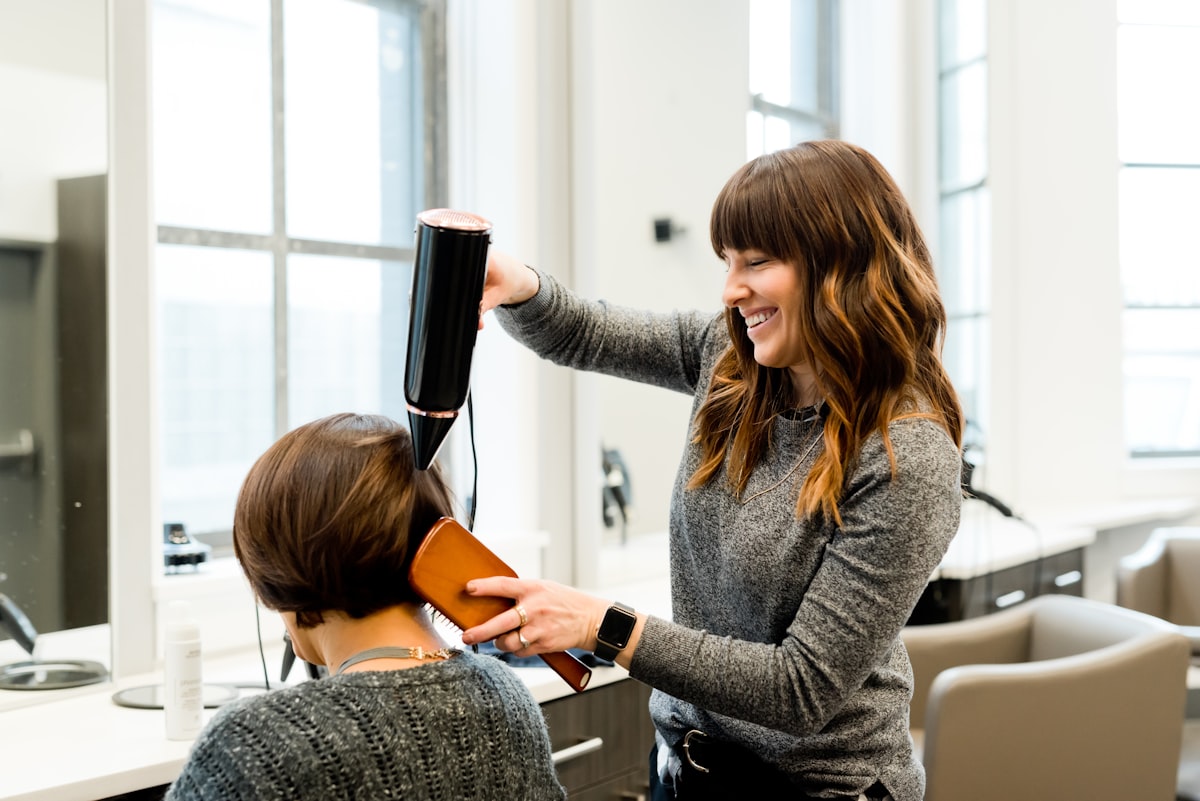
A professional session adds an assessment of your actual hair condition, access to a wider range of salon formulas, even application, a proper massage, controlled steam where suitable, and a stylist who can adjust the approach if your hair reacts differently than expected. You are paying for judgement as much as for product.
Home care is often enough for routine maintenance on hair in reasonable condition. Professional treatment makes more sense when your hair is coloured or chemically processed, when dryness or frizz has stopped responding to your usual products, or when you genuinely do not know what your hair needs.
How Often Should You Get a Hair Spa?
There is no universal schedule, and any salon giving you a fixed number without looking at your hair is guessing.
Frequency depends on how dry your hair is, how often you use heat tools, whether your hair is coloured or chemically treated, how often you wash, how much sun, dust and pollution your hair is exposed to, and how quickly the softness fades for you.
As a loose general guideline only, some people with dry, coloured or heat-styled hair go roughly every three to four weeks, while those with hair in decent condition often stretch it to six to eight weeks or longer. Plenty of people fall well outside both ranges and are perfectly fine. Treat the numbers as a rough starting point for a conversation with your stylist rather than a schedule your hair is supposed to follow.
The simplest test is your own hair. If the improvement is clearly gone and roughness has returned, you are due. If your hair still feels good, wait.
How Long Does a Hair Spa Treatment Take?
Most sessions fall somewhere between 30 minutes and around an hour and a half, but the range is wide because several things affect it.
Long or thick hair takes longer to section, coat and rinse. Very dry hair may need a longer processing time. Treatments involving steam add time on their own. Some salons include a pre-treatment step or a blow-dry finish, which extends the appointment further.
If you are scheduling around other plans, ask the salon for their estimate when you book rather than assuming a standard slot.
How Long Do Hair Spa Results Last?
Results are temporary, and that is normal for cosmetic conditioning.
Softness and shine are usually most noticeable in the first few days and fade gradually with each wash as the deposited conditioning ingredients rinse away. Manageability tends to last a little longer than shine.
What shortens the effect: frequent washing, harsh or clarifying shampoos, daily heat styling, sun exposure, dust, and hard water. What extends it: gentler shampoo, less frequent heat, a decent conditioner between washes, and protecting hair from dust and sun.
Anyone promising a fixed number of days is overstating things. How long it lasts depends on your hair and your routine.
Is Hair Spa Good for Hair?
For the right hair, yes, within a clear limit.
A hair spa is a cosmetic conditioning treatment. It improves moisture, softness, smoothness and manageability, and it makes hair easier to live with day to day. People with dry, rough, frizzy, dull, colour-treated or heat-stressed hair generally get visible value from it.
What it does not do deserves equal clarity. A hair spa does not stop hair fall, does not guarantee hair growth, does not permanently repair structural damage, and does not treat dandruff or any scalp condition. Conditioning treatments work on the hair you already have.
Ongoing hair loss, persistent itching, flaking, redness or scalp pain are worth showing to a dermatologist. Those are medical concerns, and a salon treatment is not a substitute for a proper diagnosis. Cosmetic care and medical care solve different problems, and there is no harm in using both for what each is good at.
Are There Any Downsides to Hair Spa?
Worth knowing before you book:
Results fade. You are buying a temporary improvement, and maintaining it means repeat visits.
Heaviness on some hair. Rich formulas can weigh down fine or oily hair, leaving it flat rather than bouncy. Lighter treatments exist, so mention your hair type upfront.
Product sensitivity. Fragrances and certain ingredients can irritate sensitive skin or scalps. Flag any known reactions before the treatment starts.
Cost over time. A single session is manageable for most budgets; a regular schedule adds up. Factor in the frequency, not just the one-off price.
Product selection matters. The wrong formula, particularly a protein-heavy mask on hair that does not need it, can leave hair feeling stiff or rough instead of soft.
Timing around chemical services. Colouring, smoothing and straightening all affect when a spa is appropriate. Check with your stylist rather than booking both close together by default.
When Should You Consider a Professional Hair Spa?
Reasonable reasons to book one:
- ✦Dryness that has not improved with your regular conditioner or home masks
- ✦Hair that feels rough or looks dull despite a decent routine
- ✦Regular use of straighteners, curlers or blow dryers
- ✦Coloured hair or highlights that need conditioning support
- ✦Chemically treated hair needing a gentler, better-matched product
- ✦Frizz you cannot manage with styling products alone
- ✦Genuine uncertainty about what your hair actually needs
None of this is medically necessary. A hair spa is a grooming and appearance choice, and choosing to skip it is perfectly reasonable if your hair feels fine.
Hair Spa in Agra
Agra's climate does hair no favours. Long stretches of heat, dust in the air through much of the year, and strong sun exposure all pull moisture out of hair and roughen the cuticle over time. Add regular straightening or colouring, and dryness tends to show up faster here than it might elsewhere.
That is where a professional hair spa treatment in Agra can be useful, mainly because a stylist can look at the condition your hair is actually in and suggest a treatment on that basis rather than leaving you to guess at a general-purpose mask off a shelf.
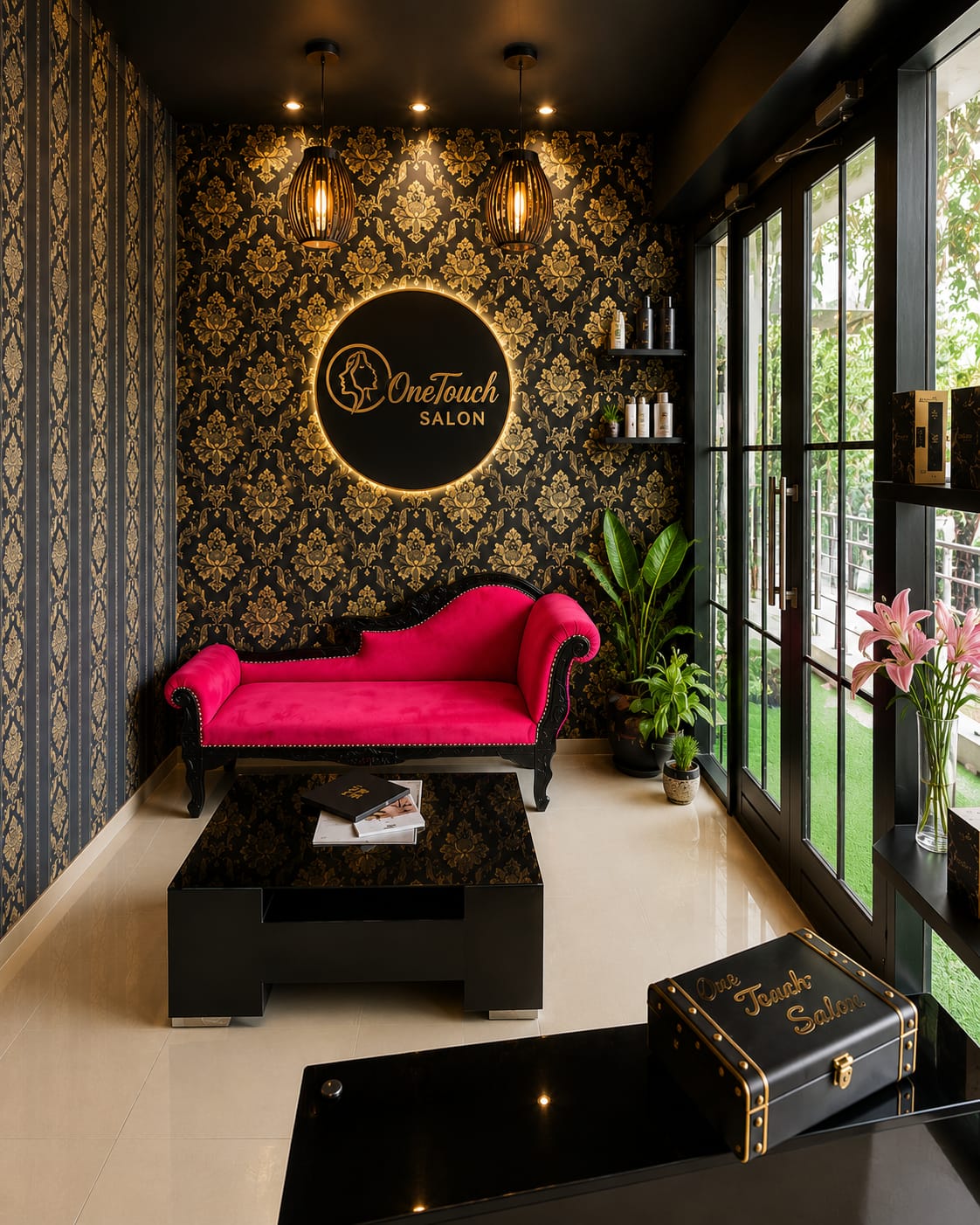
At One Touch Salon, Agra, hair spa treatments are offered alongside our other hair treatments, cutting and styling and hair colour and highlights services. If you are unsure which treatment suits your hair, describing your concern to the stylist is more useful than picking a name from a menu. It is also worth asking, at any salon, what a session includes before you book.
Frequently Asked Questions
What is a hair spa?
A hair spa is a salon deep conditioning treatment combining cleansing, a hair mask or treatment cream, scalp massage, and often steam, aimed at making hair softer, smoother and easier to manage.
How does a hair spa work?
A conditioning mask is applied and left on the hair for a longer period than everyday conditioner. Massage spreads it evenly, and gentle warmth may help the product work more effectively through the hair before it is rinsed out.
Is a hair spa good for dry hair?
Generally yes. Moisturising treatments are among the most common reasons people book a spa, and dry hair usually shows the clearest improvement in softness and manageability.
How often should you get a hair spa?
It depends on hair condition, styling habits and colouring, and there is no single correct schedule. As a rough guide, dry or treated hair is often spaced closer together than hair in good condition, but the better test is whether the improvement from your last session has worn off.
How long does a hair spa treatment take?
Usually somewhere between 30 minutes and an hour and a half, depending on hair length, the treatment chosen and whether steam is included.
How long do hair spa results last?
Results are temporary and fade gradually with washing, typically over a few weeks. Gentler shampoo and less heat styling help them last longer.
Is a hair spa suitable for coloured hair?
Yes, provided a colour-safe formula is used. Tell your stylist about any colouring or chemical treatment before the session so the right product is selected.
Can men get a hair spa?
Yes. The treatment works the same way on any hair, and shorter hair usually means a shorter appointment.
What is the difference between hair spa and conditioning?
Regular conditioning is a quick, everyday step after shampoo. A hair spa uses a richer product, leaves it on longer, adds massage and often heat, and is done occasionally rather than at every wash.
Can you do a hair spa at home?
You can do a deep conditioning treatment at home with a good mask and a warm towel. What you miss is professional product selection, even application, a proper massage and controlled steam.
Does hair spa stop hair fall?
No. A hair spa is a cosmetic conditioning treatment. Ongoing hair fall or scalp symptoms should be evaluated by a dermatologist.
To book a hair spa treatment or ask which option suits your hair, get in touch with One Touch Salon, Agra.
Written by One Touch Salon Team · One Touch Salon, Fatehabad Road, Agra